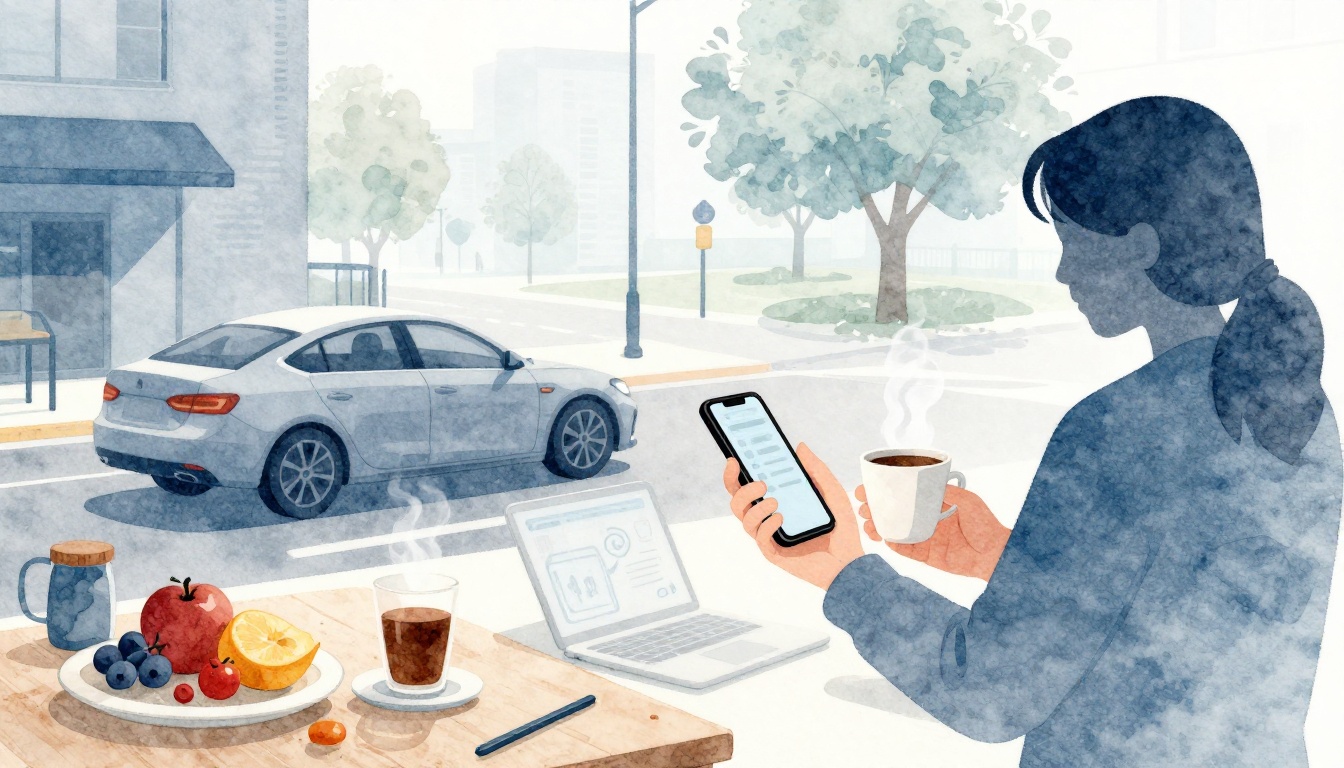
You grab your coffee, hop in the car, and rush to work while checking emails on your phone. That simple morning routine hides common types of risks people face every day, from distracted driving to endless scrolling.
Road crashes alone kill about 1.19 million people worldwide each year, making them a top threat, especially for young adults. You also deal with health issues from poor diets, financial scams, cyber attacks, polluted air, and social conflicts that spark stress or bad choices.
In this post, we’ll break down these six key risks with real examples and 2026 trends, so you spot them sooner and stay safer. Let’s start with the physical ones that hit closest to home.
Physical Safety Risks That Hit Close to Home
Every day, you face physical dangers right in your routine spots like roads, kitchens, and offices. These threats cause thousands of injuries and deaths each year. Car crashes, slips at home, and weather disruptions top the list. Awareness lets you dodge them before they strike. For example, a quick glance at your phone could end your commute in seconds.
Car Accidents on Your Daily Commute
Your morning drive feels routine, but it packs serious risks. Distracted driving leads the pack. In 2023, it killed 3,275 people in the US, or about nine deaths daily. That’s 8% of all traffic fatalities.
Texting or checking emails grabs your attention for five seconds at 55 mph. You cover a football field’s length blind. One driver glanced at a stoplight notification and rear-ended the car ahead. Everyone walked away sore, but it could have been worse.
Safe habits help. Put your phone on do-not-disturb. Pull over for calls. Keep eyes ahead. These steps cut risks without much effort. See state-by-state distracted driving stats for your area’s numbers.
Global road deaths hit over 1.35 million yearly. In the US, expect around 37,000 in 2026. Stay focused, and you lower your odds.
Slips, Falls, and Home Hazards
Home should feel safe, yet falls cause the most injuries there. They send nearly 3.85 million seniors to ERs yearly, up from past years. One in four adults over 65 falls annually. Risks rise with age.
Wet bathroom floors turn deadly fast. Dim stairs hide edges. A grandma slipped on a slick kitchen tile after spilling water. She broke her hip and spent weeks recovering.
Poor lighting worsens it all. Cluttered rugs trip you too. Seniors face higher stakes because bones heal slower. Check CDC facts on older adult falls. Simple fixes like mats and nightlights prevent most tumbles.
Workplace Injuries and Weather Threats
Jobs bring hidden pains, from slips to storm shutdowns. Extreme weather adds chaos. Floods close roads. Wildfires force evacuations. Recent events cost billions, hitting businesses nationwide.
In 2025, California wildfires razed structures and spiked losses to $112 billion. Hurricanes like Helene flooded operations in the Southeast. Storms in Texas added to record damages over $100 billion in six months.
Half of affected firms worry about shutdowns. Workers rush home amid rising water or smoke. One office team watched floods block exits, delaying shifts for days.
Here’s a quick stat rundown:
- US disasters since 1980: 426 billion-dollar events, $3.1 trillion total.
- 2025 wildfires: $68 billion insured losses alone.
- Business sectors hit hardest: Retail, manufacturing, utilities face supply breaks.
Prep with alerts and plans. Track weather apps daily. These steps keep you moving when storms hit. Check the 2026 climate catastrophe report for trends. Small changes shield your day from big disruptions.
Health Risks Hiding in Your Everyday Habits
Your daily choices shape your health more than you might think. Grabbing fast food, skipping walks, or bottling up stress all add up. These habits quietly raise risks for obesity, heart problems, and mental strain. In fact, poor diets and sedentary days fuel bigger issues like rising medical bills. Let’s look closer at two big ones.
Obesity and Poor Diet Choices
You reach for that drive-thru burger because it’s quick. Yet, those choices pack on pounds fast. About 1 in 8 people worldwide lives with obesity, affecting 890 million adults or 16% of the global population. Rates have more than doubled since 1990, and now low-income countries see the sharpest jumps.
Poor diets lead straight to heart trouble. Extra weight strains your arteries and ups stroke risks. The American Heart Association’s 2026 stats show heart disease still tops death causes in the US. Meanwhile, a lack of exercise worsens it all. Desk jobs keep you glued to chairs, burning few calories.

Smoking adds fuel to the fire too. It curbs appetite but harms lungs and vessels. One guy I know chain-smoked during long shifts, gained weight from stress eating, and faced early heart scares. Simple swaps help, like veggies over fries or walks after meals. These cut risks without big changes.
Healthcare fraud piles on costs here. Fake claims drain $309 billion yearly in the US, with healthcare fraud at $105 billion. That hikes your premiums by $900 or more. So, bad habits not only hurt you; they burden everyone.
Mental Stress and Lifestyle Factors
Work emails pile up, and AI tools steal jobs. Suddenly, anxiety hits hard. More than 1 in 5 US adults face mental illness yearly, with stress and job fears leading therapy visits for 34% of clients.
AI shifts spark big worries. People fear unemployment as bots handle tasks. Burnout soars in high-pressure roles, and one-third of workers feel stuck surviving, not thriving, per the 2026 Lyra Health report. News overload adds to it; constant headlines trigger depression.

A friend lost her role to automation. She scrolled job sites nightly, slept poorly, and gained weight from comfort snacks. 41% of business leaders fret over healthcare costs, up 9% in 2026, driven by mental health and drugs. Fraud makes it worse, as fake mental health claims swell bills.
Breaks matter. Try deep breaths or short chats with friends. Apps offer quick virtual therapy too. Small steps ease the load before it overwhelms.
Financial Risks Draining Your Pocketbook Daily
Bills creep up when you least expect them. You pay more for groceries, face sudden repairs, or worry about your next paycheck. These financial risks hit your wallet every day, from inflation spikes to job shakes. They build stress and shrink savings. In 2026, household debt tops $18 trillion, as folks lean on credit cards for basics. Let’s break down how these threats add up.
Building Debt from Unexpected Costs
Inflation lingers at 2.4% through early 2026, but it stings hardest on food and housing. Families shell out over $1,600 extra yearly on basics like utilities and groceries. Food prices jumped 2.9%, with coffee up 4.5% and lettuce soaring 12.2%. Low-income homes feel it most; they spend 64% of cash on essentials.
Then surprise bills strike. Your car breaks down, costing $1,500 in repairs. Or the AC fails during a heatwave, adding $800. You charge it because cash runs short. As a result, delinquency rates climb near decade highs. One family skipped dinners out to cover a vet bill, yet debt piled on anyway.
See the TurboDebt 2026 consumer debt report for state breakdowns. Build an emergency fund now. Start with $1,000, then grow it. This cushions those shocks before they bury you.
Job Insecurity and Economic Pressures
Layoffs loom large in 2026. Almost 600,000 jobs vanished early this year, hitting tech and entry-level roles. AI speeds it up; 37% of companies plan to swap workers for bots by year-end. Young folks in their 20s and 30s lose out first on routine tasks.
Economic slowdowns worsen it. Hiring stalls amid downturn fears. Skills gaps threaten $5.5 trillion in losses, as 90% of firms scramble for talent. A friend got pink-slipped from marketing when AI tools took over emails. He burned through savings in months, dipping into credit.
Meanwhile, private credit bubbles and high market values signal crash risks. Wages sometimes beat prices, yet 28% expect worse finances ahead. Update your resume today. Learn AI basics online. These moves keep you ahead.
Supply Chain Snags Raising Prices
Delays jack up costs daily. Tariffs worry 72% of trade experts, forcing supplier switches and longer waits. Fuel spikes add 10-15% to food shipping alone. Shortages in chips and beef slow factories, so prices climb.
Execs fret over breaks (45%), downturns (44%), and labor shortages (38%). IT glitches halt operations too. Your fridge staples cost more because a storm or conflict blocks routes. One store raised egg prices 20% after delays.
Companies stockpile now, but you pay the bill. Diversify shopping spots. Buy in bulk when prices dip. Check Aon’s 2026 supply chain risks for updates. Small habits fight back against these hikes.
Cyber Risks Attacking Your Online World
You check emails, shop online, and bank from your phone daily. Hackers target those habits. Cyberattacks rank as the top global risk in 2026, with 37% of leaders naming them their biggest fear. Human errors trigger most breaches. In addition, data shows breaches rose 40% this year. Yet simple steps protect you. These threats feel scary, but knowledge arms you.
Phishing Scams and Click Traps
Hackers send fake emails that look real. They trick you into sharing passwords or clicking bad links. Over 75% of cyberattacks start with email, and 94% of organizations face email security issues. Stolen passwords from phishing jumped 57.9% recently.
You get an “urgent bank alert.” It urges a password reset. One click hands over your login. A friend fell for it and lost $2,000 to thieves. AI makes these scams sharper, boosting click rates.
Common slips cause trouble. You rush and ignore red flags like odd sender names. Or you reuse weak passwords. Always check URLs before clicking. Use two-factor authentication too. For more stats, see SentinelOne’s 2026 cybersecurity numbers.

Train your eye on poor grammar or surprise requests. Delete suspects. These habits stop most traps.
Ransomware and Emerging AI Threats
Ransomware locks your files and demands cash. Attacks hit every two seconds now, with 43,200 daily. Costs could reach $74 billion in 2026. They hide for months sometimes, stealing data quietly.
Deepfakes add danger. AI fakes your boss’s voice in a call, asking for wire transfers. Or videos trick you into approvals. 87% of groups say deepfakes harden phishing. Meanwhile, AI agents spot weaknesses in 29 minutes flat.
Supply chain hacks spread fast too. One weak link infects many. A small firm paid $120,000 to recover last year. Small businesses face three times the attacks.
Back up files often. Update software weekly. Use antivirus that fights AI threats. Check the World Economic Forum’s 2026 cyber outlook for trends.

Spot warning signs like slow devices or odd pop-ups. Act fast. You regain control with these moves.
Environmental Risks Shaping Your Surroundings
Your surroundings change fast when nature turns rough. Extreme weather and poor air quality sneak into commutes and backyards. They disrupt plans and harm health. In fact, leaders see extreme weather as the #4 short-term risk worldwide, with 8% calling it their top crisis. Five environmental threats land in the top 10 long-term risks too. So, check forecasts daily. These forces hit close, but smart steps keep you steady.
Extreme Weather Disrupting Routines
Storms upend your day without warning. Floods swallow roads. Fires chase families from homes. Early 2026 brought harsh winter blasts across the US. A massive storm from January 22 to 30 killed over 174 people. It dumped snow, froze power lines, and halted travel.
Blizzards followed in February, claiming 30 more lives. Bomb cyclones whipped winds and ice, adding 13 deaths. Schools closed. Businesses shuttered. One family grabbed pets and fled rising water during a flash event. Highways turned to parking lots.
Hurricanes often flood commutes later in the year. Wildfires force quick evacuations too. 92% of firms report hits from these events. Power outages linger days. You rush home amid alerts, but roads block fast.

Download the Global Risks Report 2026 for full rankings. Pack a go-bag now. Apps send timely warnings. Therefore, you move safer when chaos strikes.
Pollution and Climate Exposure
Bad air follows you everywhere. Daily quality dips trigger coughs and worse. Commuters breathe smog on walks to work. Cars and factories pump particles that irritate lungs.
In cities, haze cuts visibility. Afternoon sun fades behind clouds of exhaust. One morning, you step out and feel the burn in your throat. Climate shifts worsen it; warmer air traps pollutants longer.
Health takes a hit first. Short breaths lead to hospital runs. Kids and elders suffer most because lungs handle less. Check local indexes before heading out. Masks help on red-flag days.

See EPA’s latest air trends for your area. Stay indoors during peaks. Plants filter some indoor air too. As a result, you dodge the daily toll.
Social Risks Undermining Daily Interactions
Social tensions sneak into your chats and feeds without warning. They twist facts and spark fights that strain relationships. You scroll news, share a post, and suddenly argue with a friend. These risks erode trust in everyday talks. The World Economic Forum ranks misinformation as the #2 short-term global risk for 2026, with 7% of leaders flagging it. Polarization sits high too, often tied to inequality. AI amps both, so let’s spot them in your routine.
Misinformation and Deepfake Deceptions
Fake news hits your phone fast. You see a video of a politician saying wild things. It sways your vote or opinion before you check facts. Deepfakes make it worse; AI crafts realistic fakes that fool eyes and ears. They topped worries during 2026 US midterms, blurring campaigns with phony clips. See Reuters coverage of deepfakes in US elections.
One deepfake showed a candidate at a fake rally. Shares exploded, stirring outrage. In daily life, scams use voice clones to beg for cash from “family.” A quarter of Americans faced such calls, per reports. False info spreads six times faster than truth online. It breaks trust in neighbors or coworkers.
You pause before sharing. Check sources like fact-check sites. Apps flag deepfakes now too. These steps keep your circle honest. As a result, conversations stay real.

Polarization Fueling Divisions
Divides grow from inequality and echo chambers. You post about jobs or prices, and replies turn hostile. Polarization ranks in the top 10 risks, deepening splits on politics or culture. Economic gaps fuel it; low earners feel left behind, so fights erupt online.
Friends unfollow over views. Dinner talks end in silence. One family split after social media debates on inequality. Bots push extreme takes, making groups angrier. In the US, it threatens fairness in deals or votes. Check the World Economic Forum on polarization risks.
AI worsens trends over 10 years. Algorithms feed you more of what you like, so bubbles harden. Yet, you bridge gaps. Ask questions in chats. Share common ground first. Small talks rebuild ties before rifts widen.

Conclusion
You spot everyday risks like car crashes and home falls by staying focused on the road and clearing clutter. Watch your diet and take stress breaks to dodge obesity and burnout. In 2026, AI amps mental strains, so simple habits build real strength.
Financial hits from debt and job shakes ease with emergency funds and skill updates. Check emails for phishing traps daily, back up files against ransomware. Climate trends worsen weather and pollution, yet apps and masks keep you ahead.
Social divides from deepfakes and polarization shrink when you verify facts first. Knowing these six common types of risks people face every day empowers smarter choices. Small awareness steps cut big dangers.
Audit your routine today. Share this post with friends. What risk will you tackle first?