Home fires strike every 95 seconds in the US. They claim a life every three hours. Falls send millions to the ER each year, especially older adults.
You might think your place feels safe. Clutter builds up. Cords fray unnoticed. A small drip turns into mold. These issues sneak up fast. Spotting risks early saves lives and money. Recent NFPA data shows 329,500 home fires in 2024 alone caused billions in damage. CDC reports one in four adults over 65 falls yearly. Simple fixes cut those odds big time.
This post walks you through fire, electrical, fall, plumbing, and poisoning dangers. You’ll get clear signs and quick checks. Anyone can do them today. Let’s start in the kitchen, where most fires begin.
Spot Fire Hazards in Your Kitchen Before They Start
Cooking sparks nearly half of all home fires. That’s 48.7 percent from recent NFPA reports. Grease ignites. Pots boil dry. One forgotten pan changes everything.
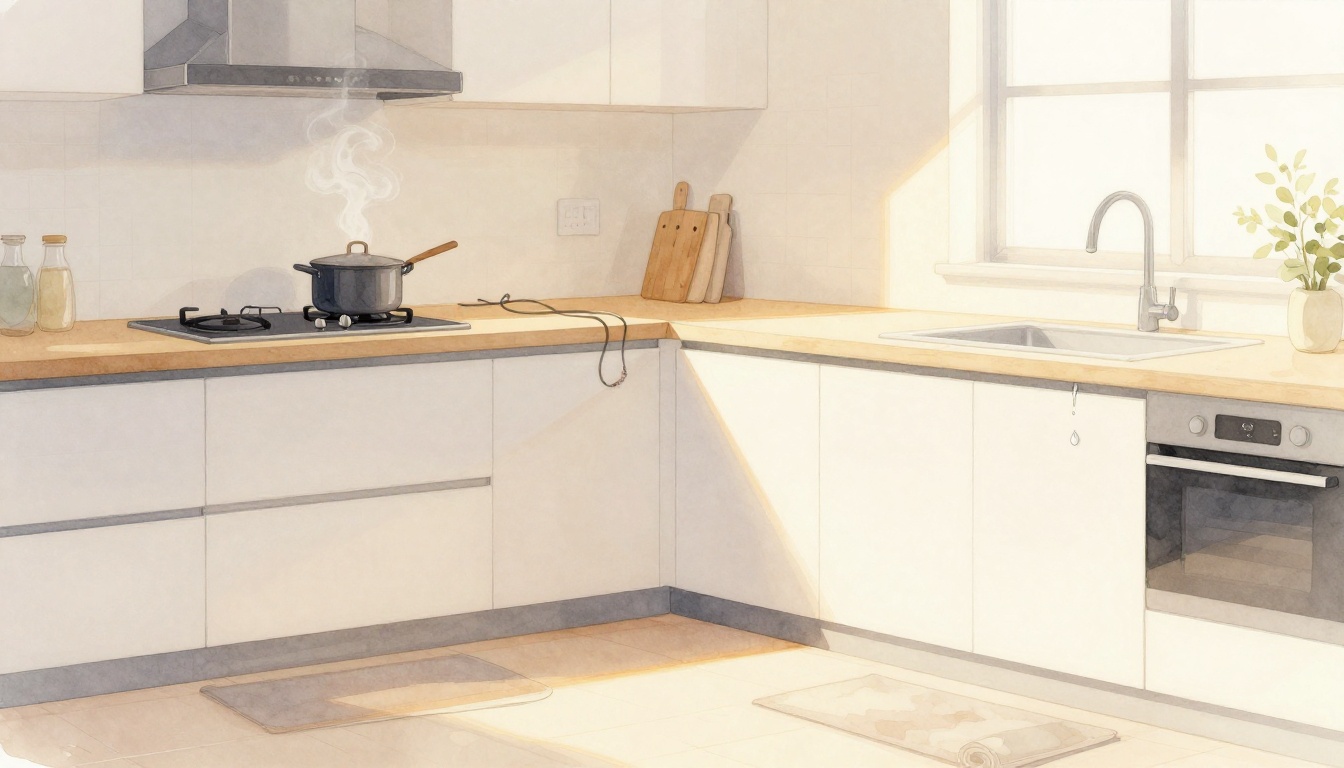
Picture this: you step away for a phone call. Smoke curls from the stove. Burning smells fill the air. These clues scream trouble. Check for grease buildup on burners or hoods. Wiping it weekly stops flames. Keep pots turned inward so handles don’t snag sleeves.
Unattended stoves cause the most blazes. Stay close during cooking. Set timers as reminders. Children or pets nearby add risk, so supervise them.
For more on kitchen fire prevention, see NFPA’s cooking safety tips.
Bold signs include yellow flames on gas stoves, which mean poor combustion. Blue flames work right. Smoke from appliances points to faulty wiring inside. Test vents; blocked ones trap heat.
Prevention stays simple. Maintain three feet of clearance around your stove. No towels or curtains nearby. Clean spills right away. These steps dodge billions in yearly damage.
Check Cords and Heaters for Hidden Dangers
Heating ranks second for fires at 8.1 percent. Space heaters tip over. Cords wear thin from foot traffic.
Feel for hot spots on plugs or cords. Smoke wisps from outlets signal meltdown. Frayed insulation exposes wires. Plug heaters direct into walls, not strips.
Keep three feet clear around units. No rugs under cords. Electrical issues cause 6.9 percent of fires, per NFPA. Portable heaters lead fatal ones despite low overall share.
Inspect yearly. Dust buildup fuels flames. Pro service catches clogs early.
Why Smoke Alarms Are Your First Line of Defense
Alarms slash death risk by half when they work. No beep on test means batteries fail or units age out.
Replace any over 10 years old. Hardwired models need every level. Combo smoke and CO units cover more ground.
Test monthly by pressing the button. Dust them gently. Place away from kitchens to cut false alarms. Lives depend on that chirp.
Catch Electrical Problems Before Sparks Fly
Buzzing outlets hum like angry bees. Lights flicker during use. Plugs feel warm to touch. These warn of overloads or shorts.
Electrical faults ignite many blazes. Tripped breakers happen often, but frequent resets mean deeper issues. Old homes with knob-and-tube wiring spark fastest.
You can check now. Feel outlets in wet spots like bathrooms. Warmth means trouble. No sparks should fly when unplugging.
GFCIs protect there; test the button monthly. Avoid cramming too many plugs into one spot. Pros handle rewiring.
Analogy helps: a buzzing outlet runs hot like a fresh bulb. Touch it; pull back quick.
Inspect Outlets and Switches Daily
Sparks shoot out? Black marks circle holes? Discoloration shows arcing.
Cover unused ones with child plugs. Update ancient wiring; it crumbles inside walls. Switch plates loosen over time. Tighten screws.
Pro electricians spot hidden faults. Call if smells like burning plastic.
Watch Extension Cords and Power Strips Closely
Cracks expose wires. Heat builds if overloaded. Daisy-chaining strips tempt fate.
Run none under carpets; they overheat unseen. Replace damaged ones fast. Use for temp needs only.
Label strips to track loads. Fans plus chargers add up quick.
Prevent Slips and Falls with Simple Floor Checks
Falls top injuries for those 65 and up. CDC says 43,000 died in 2024. Stairs, rugs, and wet spots cause most.
Clutter trips feet. Loose rugs bunch up. Dim halls hide steps. All ages slip; kids race, adults hurry.
Do a 10-minute walk-through. Room by room, eye paths. Fix one spot today. That ER dodge feels good.
One fix: tape rug edges down. Bright bulbs light stairs. Story time: my neighbor added mats after a spill. No falls since.
For home fall checks, try CDC’s older adult prevention page.
Secure Stairs, Rugs, and Hallways First
Wobbly handrails shake. Curled edges catch toes. Test rails; they hold weight.
Add lights at top and bottom. No boxes on steps. Grab bars help seniors steady.
Clear paths daily. Shoes pile up fast.
Fix Bathroom and Kitchen Wet Spots Fast
Soap slicks floors. Leaky faucets puddle. Mats slip without grips.
Stick non-slip ones down. Dry floors after showers. Towel bars hold extras secure.
Grab bars near tubs prevent tumbles.
Find Plumbing Leaks Before They Cause Mold or Floods
Damp spots stain walls. Musty odors linger. Bills climb sudden.
Drips waste water and spawn slips. Pipes sweat in cold garages. High use spikes costs.
Check monthly under sinks. Tighten fittings. Insulate exposed lines.
Extreme weather floods basements more. Sensors alert phones now.
Spot sweat like morning dew on metal.
Listen for Dripping and Gurgling Sounds
Quiet drips behind toilets add up. Gurgle in drains means clogs.
Fix tape on faucets same day. Pails catch temps. Plumbers snake tough spots.
Monitor Water Bills and Pressure Changes
Sudden jumps signal leaks. Low flow clogs pipes.
Turn off taps; meters spin? Hunt hidden flows. Pros dye-test toilets.
Sniff Out Poisoning Risks Like Carbon Monoxide
CO kills 400 yearly. It mimics flu: headaches, dizziness, nausea.
Faulty heaters leak it most. No smell tricks you. Detectors beep early.
Annual pro checks clear vents. Fresh air vents stoves.
Kids and elders suffer worst. Symptoms fade with oxygen.
Install and Test Gas Detectors Regularly
Place on every floor. Batteries yearly. Combo units best.
No chirp? Replace. Sleepers miss silent killers.
Store Chemicals Safely Out of Reach
Lock cleaners high. Label poisons clear. Kids grab low shelves.
Pets nose bottles. Cabinets latch tight.
Quick Checks to Keep Your Home Safe
Spot these risks now. Act simple. Peace follows.
| Area | Top Sign | Fast Fix |
|---|---|---|
| Kitchen | Grease buildup | Wipe weekly |
| Heaters | Frayed cords | Clear 3 ft space |
| Outlets | Buzzing sound | Test GFCI |
| Stairs | Loose rugs | Tape edges |
| Pipes | Damp walls | Insulate lines |
| CO | Flu-like sick | Install alarms |
| Floors | Wet spots | Add mats |
| Plugs | Warm touch | Unplug check |
| Alarms | No test beep | Replace batteries |
| Bills | Sudden spike | Hunt leaks |
NFPA and CDC prove fixes work. Fires drop. Falls cut. Start your 15-minute walk today.
What risk did you spot first? Share below. Pin this for reminders. Your home stays solid. Rest easy.
(Word count: 1492)