
Picture this. Sarah rushes through her morning routine. She feels a bit tired but shrugs it off as a late night. By afternoon, that fatigue turns into dizziness. She misses a step on the stairs and sprains her ankle badly. A small sign ignored leads to weeks of pain and lost work.
Small risks pop up everywhere. They hide in daily routines, work emails, or street corners. Spot them early, and you save time, money, and stress. In personal life, they prevent injuries or illnesses. At work, they stop business losses from delays or cyber hits. Anyone can build this skill. It’s like training a muscle with practice.
This post shows you how. First, learn to spot sneaky signs in safety, health, work, and more. Next, build daily habits to scan for trouble. Then, use proven strategies and tools. Finally, see real stories and a starter plan. How can you train yourself to notice small risks early? Start with awareness, then habits, and tools for lasting results.
Spot the Sneaky Signs of Small Risks in Everyday Life
Small risks blend into normal days. You walk past odd street behavior without a glance. Or ignore team tension that brews bigger fights. Overconfidence often blinds us. We think “it won’t happen to me.” Yet patterns repeat. In 2026, AI cyber attacks target small businesses hard. Geopolitical tensions, like Iran protests or U.S.-Greenland disputes, ripple into supply chains. Watch for these clues to act fast.
Common types include body signals, work delays, and cyber pings. Fatigue shows as subtle tiredness before illness hits. Street cues might mean someone lingers too close. In business, a supplier’s late reply signals chain breaks. Cyber risks spike with phishing emails that seem off. The GRPS 2026 survey notes economic downturns and cyber insecurity as top threats. Recognize them early. Your brain adapts with focus.
Benefits come quick. You dodge problems before they grow. No more surprises.
Personal Safety and Health Clues You Can Catch First
Your body whispers warnings first. Unusual tiredness hits before a cold or flu sets in. In 2026, workplaces track fatigue with wearables because it causes accidents in construction or driving. Irritability or distraction follows. On streets, scan for odd actions. A person matches your pace from blocks away. Or shadows shift wrong in alleys.
Mindfulness boosts this. Pause and check your gut. Do a daily body scan. Sit quiet for two minutes. Note tension in shoulders or a foggy head. This catches health dips early.

For more on street awareness, check situational awareness training exercises. Practice builds sharp senses. You stay safe without constant worry.
Work and Business Hints Before They Blow Up
Business risks start small. A supplier delays one shipment. Team emails turn short and snippy. These hint at bigger issues. In 2026, small businesses face cyber threats. Stats show 70.5% of breaches hit SMBs, with ransomware in 88% of attacks. Phishing uses AI for fake emails that fool quick scans.
Spot anomalies in data. A sales dip or odd login alert flags trouble. Supply chain slips, like vendor glitches, cascade fast amid Iran Strait tensions or Greenland trade spats.
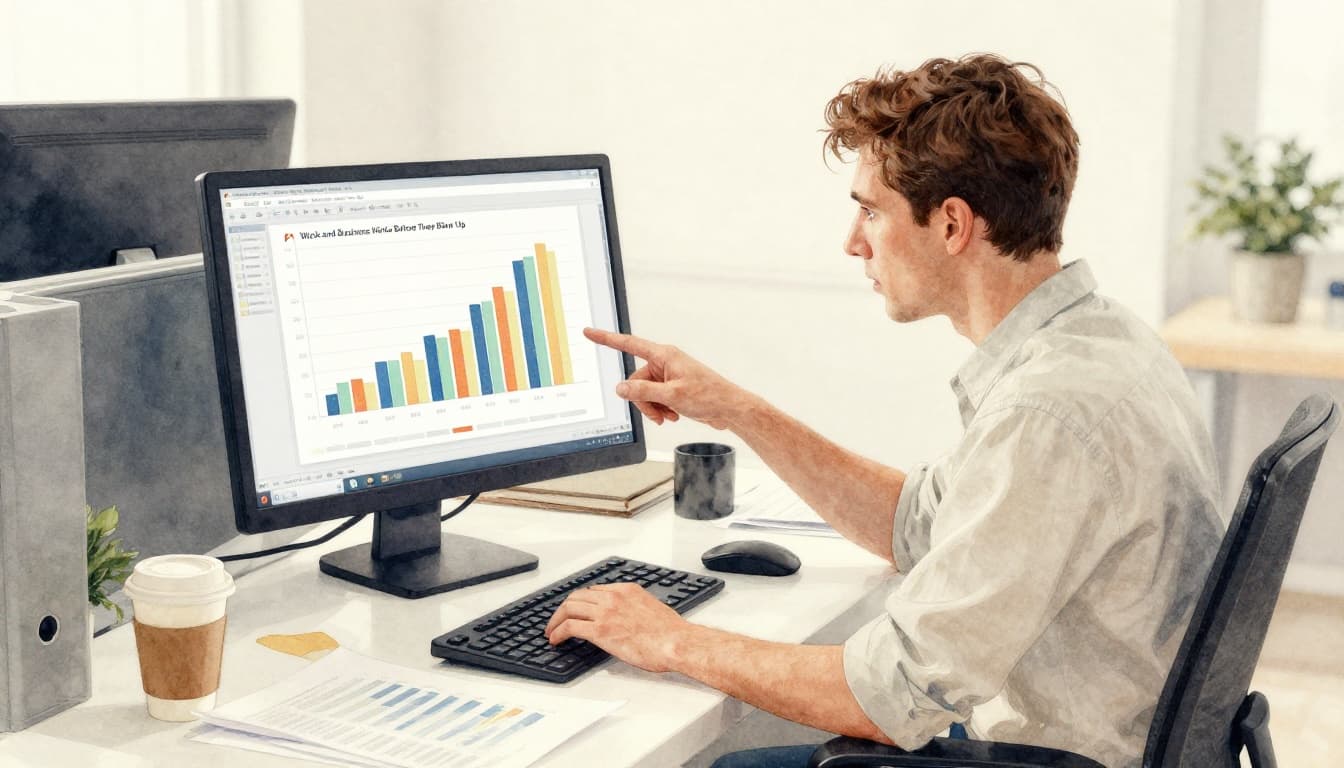
See small business cybersecurity statistics for 2026 for details. Act on these hints. Problems stay small.
Daily Habits That Train Your Brain to Scan for Trouble
Habits turn spotting into instinct. Check news or work updates three times a day. List three changes each time. This builds a scan routine. After events, review what you missed. Mindfulness pauses note subtle cues. Start with one habit today. Quick wins build momentum.
Situational awareness grows like muscle memory. Monitor environments daily. Pause for biases that downplay signs. In short, practice makes it autopilot. You notice without effort.
Quick Scanning Routines for Home and Work
Build scans into your day. At home, review personal news. Check weather apps or health trackers for fatigue flags. Note market shifts or family mood changes. At work, scan emails, reports, and chats. List potential signals like delayed replies or odd data spikes.
Do this morning, lunch, and evening. For example, spot a supplier lag early. Or catch rising stress before burnout. These routines take five minutes. Yet they prevent hours of fixes later.
Consistency pays off. Your brain links patterns fast.
Mindfulness Breaks to Tune Into Subtle Warnings
Take short pauses. Close eyes for one minute. Observe breath and surroundings. Note three things: a flickering light, tense shoulders, or quiet team vibes. This fights biases that ignore small signs.
Combat overconfidence. Ask “what feels off?” Practice combats distraction from daily noise.

Learn situational awareness through mindfulness. Pauses sharpen your radar.
Proven Strategies and Tools to Level Up Your Risk Radar
Scenario planning uncovers threats. Pick what-if events weekly. Test weak spots. Group talks cover low-odds impacts. AI tools send alerts on cyber risks or data shifts. The GRPS 2026 survey stresses data scanning amid rising economic risks. Verdantix reports note threat growth.
For personal use, try mindfulness apps. Books from strategy experts guide deeper steps. These methods deliver real results.
Play Out ‘What If’ Scenarios to Uncover Hidden Threats
Pick two scenarios weekly. Say, a cyber attack or health dip. List steps: what triggers it? How do you respond? Map weak spots like poor backups.
For business, test trade disruptions from Iran oil spikes. Or fatigue in high-stress jobs. Do this in 15 minutes. It reveals hidden chains.
See scenario planning to master uncertainty. Practice spots risks others miss.
Leverage AI and Team Chats for Smarter Spotting
AI flags dependencies in emails or logs. Platforms alert on phishing surges. Adapt for personal tracking with apps.
Team chats brainstorm rare events. Discuss once weekly.
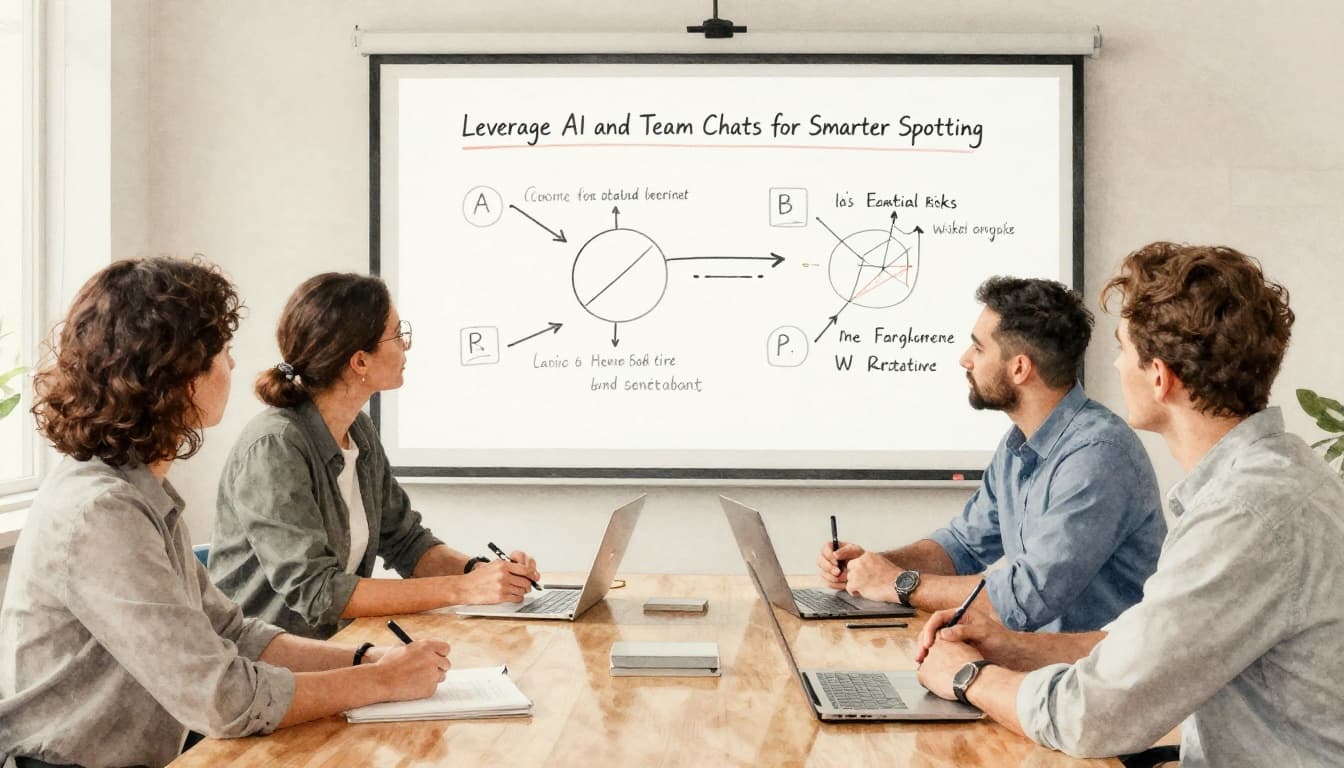
These boost spotting power.
Real Stories of Early Wins and How to Start Today
A manager caught a product delay pre-meeting. He scanned supplier emails daily. Fixed it with backups. No lost sales.
Cyber prep saved a shop. Routine tests found weak passwords amid 2026 AI phishing waves. They blocked attacks early.
Supply outage mapping dodged Iran tension hits. One firm mapped routes ahead. Others scrambled.
Personal win: John watched fatigue. Noted tiredness before flu season. Rested and stayed healthy.
Start now. Pick one exercise: a daily scan or mindfulness pause. Track progress weekly in a note. Note wins. Build from there. You got this.
Small risks spotted early mean control. Scan daily, run scenarios, form habits. Try one method this week. Watch changes unfold. Notice less stress, more wins. Train to notice small risks early for big peace of mind. More on tools soon.