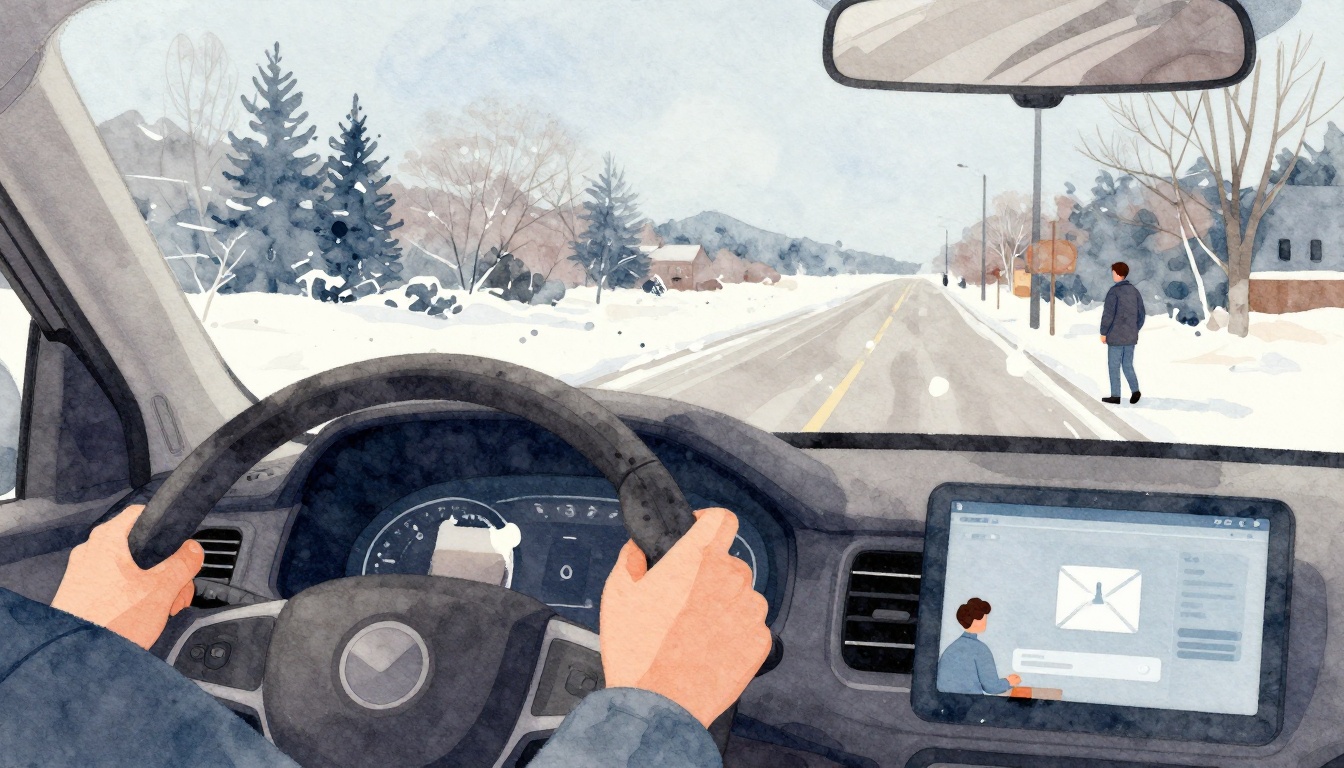
Picture this. You’re driving home after work. Snow falls lightly. You spot black ice ahead because you always scan the road. You slow down in time. No crash. That quick notice saved you.
Now think about an email from your bank. It asks for your password. Something feels off. You check the sender. It’s fake. You avoid the scam. These moments show risk awareness at work.
Risk awareness means spotting possible dangers, grasping their effects, and knowing steps to handle them. It fits into daily choices like crossing streets or buying online. You stay safe and decide better. This post covers what it means, why it counts every day, real examples, and simple ways to build it.
Spotting Trouble Early: What Risk Awareness Looks Like
Risk awareness starts with clear eyes on your world. You recognize threats before they hit. Then you weigh their odds and damage. Finally, you act to dodge or lessen them. For more on how it ties to everyday choices, check situational awareness in daily risks.
These parts work as a team. First, you identify risks by looking around. Check your home for frayed cords that could spark fires. Second, analyze the chance it happens and the harm it causes. A loose wire near kids raises big alarms. Third, treat it with fixes like replacing the cord or adding covers. Fourth, monitor for changes. Test smoke alarms monthly. Fifth, communicate. Tell family about the issue so everyone stays alert.
This cycle keeps you ahead. It turns blind spots into strengths. In homes, it prevents small slips from big problems. Workers use it too. They flag hazards early and cut accidents.
An open setup helps. People report issues without worry. That builds trust. Everyone owns safety.
The Building Blocks That Make It Work
- Identify risks: Scan your space. In a clinic, double-check patient names to avoid mix-ups. One wrong label causes harm.
- Analyze impact: Ask how bad it could get. Icy steps mean falls and breaks. Odds rise after rain.
- Treat the risk: Plan fixes. Install handrails. It drops chances fast.
- Monitor changes: Watch weather apps for storms. Adjust plans as needed.
- Communicate: Share with others. A quick text to roommates about a gas smell saves lives.
Each step links to real spots. They form a strong shield for daily routines.
Why Pay Attention: The Big Wins in Your Everyday Life
Risk awareness pays off quick. You make sharper calls. Surprises hurt less because you prepare. Teams gel better when all spot issues. You own your safety too.
Take driving. Trained folks cut crashes. Transport ties to 36.8% of workplace deaths. Awareness training boosts hazard spotting by 33%. In hospitals, talks lower errors. Overall, it lifts safety knowledge 81% and behaviors 82%.
Protect what matters. Shield family from home fires. Save money on scam losses. Guard health by noting early signs like fatigue.
By April 2026, trends shift. Real-time dashboards track home risks via apps. Video training pops up on phones. Everyone shares tools now. No silos. This cuts incidents and builds trust. Banks spot fraud faster with alert teams.
You win big. Fewer hospital trips. Lower bills. Peace at night.
Proven Perks Backed by Real Results
- Fewer accidents: Training drops rates up to 74%. Drivers stay safer on slick roads.
- Smarter money moves: Banks with risk chats catch scams early. You keep cash safe.
- Health gains: Spot illness signs soon. Hospitals with checks see less mix-ups.
- Team strength: Open talks raise rule-following 34%. Workplaces run smooth.
- Cost savings: Lower insurance from good habits. Firms keep more profit.
These perks motivate. Start small. See changes fast.

A family talks home risks at the table. It shows trust in action.
Everyday Heroes: How Risk Awareness Saves the Day in Common Situations
Real life proves it. Awareness stops trouble cold.
In health, you feel off. Chest twinge hits. You call the doctor fast. Tests catch issues early. No big scare.
Finance next. Scam email promises riches. You pause. Check links. Fake site. You skip it. Money stays yours. For a clear take on risk basics, see this insurance view.
Home safety shines. Smoke alarm beeps low battery. You swap it now. Fire starts later. Everyone escapes.
Driving demands it. Dusk falls on curves. You ease off speed. Deer jumps out. Brakes hold. Safe stop.
Online, shady link tempts. Strong password blocks hackers. Data stays private.
Before awareness, folks rush in. Crashes happen. Scams drain accounts. Fires spread. After, they spot signs. Harm fades.
These stories fit your day. Act early. Win big.
From Roads to Screens: Risks You Face Right Now
Roads: Watch ice or phones. Slow down. Scan ahead.
Health: Note odd pains. See pros quick.
Finance: Verify emails. Hover mouse first.
Home: Test alarms. Lock doors always.
Screens: Use passwords. Avoid strange sites.
Each takes seconds. Payoff lasts.
Build Your Risk Radar: Practical Steps to Get Started Today
Ready to sharpen up? Start easy.
- Do daily scans. Lock doors. Check stove knobs.
- Review emails slow. Spot weird senders.
- Talk family risks. Plan fire drills together.
- Use apps for weather. Dodge bad drives.
- Set strong passwords. Update them often.
- Watch short videos on scams. Free ones abound.
- Test alarms monthly. Note home weak spots.
In 2026, dashboards track it all. Phones alert you. Habits stick fast.
Pick one today. Small steps build big safety. You got this.
Conclusion
Risk awareness spots dangers, weighs hits, and fixes them. It brings smarter days, less harm, real saves, and easy habits.
Ordinary moments turn safe. You protect loved ones and wallet.
Try one tip now. Check that alarm. Share this with friends. Live sharper. Stay strong.