
Picture this. You hop into your car after a long day, tired and in a rush. You skip the seatbelt, thinking “just this once.” Then comes the sudden stop, and regret hits hard. Seatbelts save around 15,000 lives each year, yet half of crash deaths involve people who skipped them. Stories like this show why small safety steps matter.
Motivation fades fast. Habits stick around. Research confirms it takes about 66 days on average to make a behavior automatic. That’s from studies still holding up in 2026. You fight germs, crashes, fires, and slips not with willpower alone, but routines that run on autopilot.
This post breaks it down. You’ll spot key safety habits from current guidelines. You’ll learn science-based tricks to lock them in. You’ll beat common roadblocks and tap 2026 tools. Ready to build unbreakable safety routines that keep you safe?
Pinpoint the Everyday Safety Habits Worth Your Focus
Focus on habits that stop most injuries. Current data shows these cut risks in half. They cover home, work, car, and outdoors. Pick a few to start. Master them first.
Handwashing tops the list. It blocks germs from food, bathrooms, and crowds. Seatbelts slash crash deaths by up to 65%. Fire checks prevent home blazes. Add handrails, knee-bends for lifts, spill wipes, PPE like helmets or sunscreen, and heat prep with water breaks.
Why these? They target 90% of slips, falls, burns, and infections. OSHA pushes heat rules like hydrate often and take shade. Do quick checks daily. Scan your space before bed. Set phone alarms. Real example: A worker lifts boxes wrong, strains his back. Bend knees next time, no pain.
These habits build a safety net. They fit any life. Start small, see big wins.
Handwashing That Actually Stops Germs Cold
Soap and water for 20 seconds works best. Rub backs of hands, between fingers, under nails. Do it after bathroom trips, before meals, post-transit.
Triggers help. Wash after brushing teeth or handling mail. Phones carry germs too, so clean after scrolls.
Set alarms for high-risk times. The CDC’s handwashing guide spells out when and how. Follow it, germs stop cold.

Seatbelt and Fire Checks You Can Never Skip
Buckle up every ride. Make it a rule: keys in, belt on. No exceptions, even short trips.
Fire safety needs monthly smoke alarm tests. Clear exits always. Never leave cooking unattended. Bedtime habit: yell “clear path?” and scan.
These prevent most home fires and crash harms. Pair with engine-start ritual for belts.

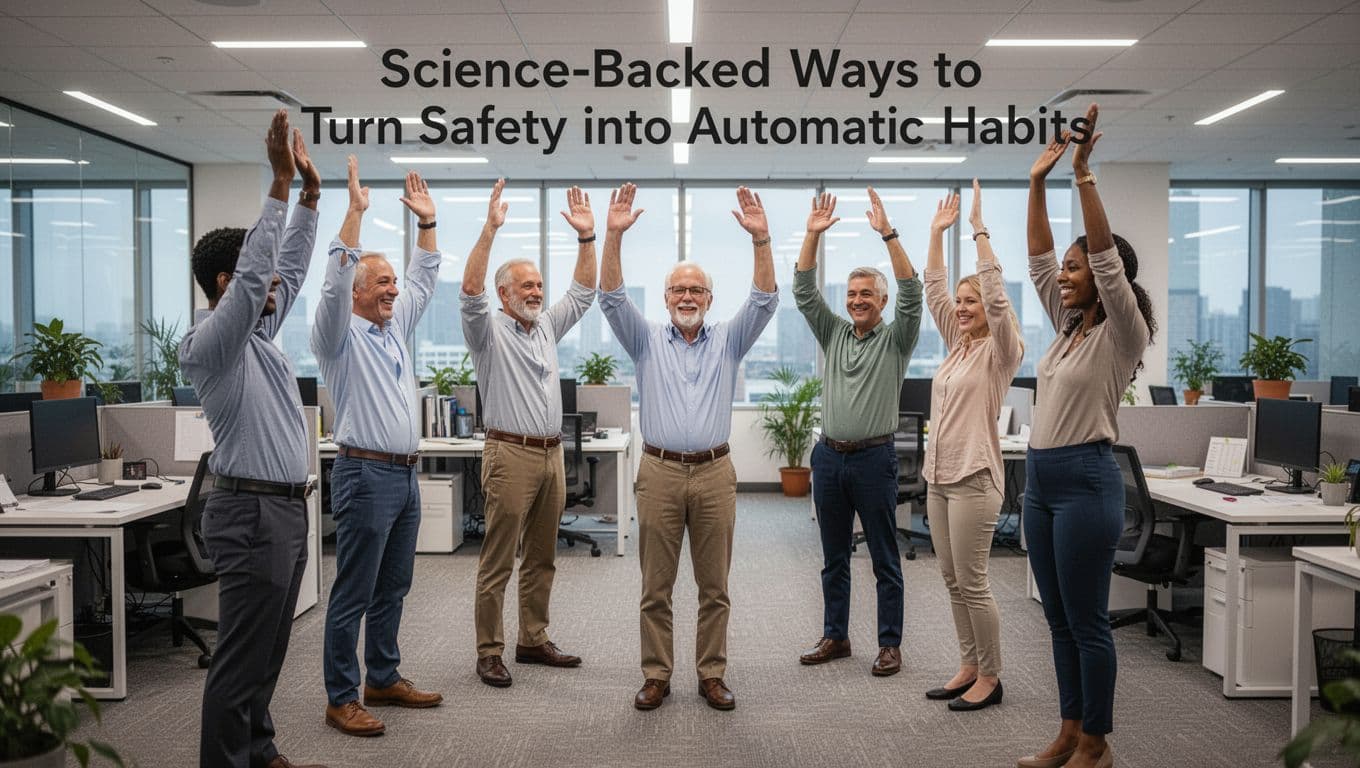
Science-Backed Ways to Turn Safety into Automatic Habits
Habits beat motivation every time. Stack them on routines you already do. Track streaks. Start tiny. Reward progress.
Research from Dr. Pippa Lally shows 66 days average. Some form in 18, tough ones take 254. Consistency wins long-term. It drops accidents as behaviors automate. In 2026, experts add daily safety moments like stretches or gear checks. Report near-misses. Sleep fights fatigue.
First, stack safety. Link handwash to after-teeth brush. Belt with morning coffee sip. Why? Brains love pairs. It cues automatic action.
Next, track daily. Mark calendars. Apps log streaks. Don’t break the chain. Start with 30 seconds. Reward weekly, like a favorite snack.
Review often. Adjust what slips. These steps make safety effortless.
Stack Safety onto What You Already Do Daily
Pair new with old. Buckle while keys jingle. Handwash post-meal prep.
Studies back it. Cues fire neurons. Example: Coffee pour, then belt click. It sticks fast.
Build Streaks and Rewards That Keep You Going
Use a calendar. X each day. Apps gamify it.
Tiny starts avoid burnout. 20-second wash first. After a week, treat yourself. Streaks grow momentum.
The 66-day habit study update confirms patience pays.
Smash Through Forgetting, Busyness, and Other Habit Killers
Life throws curveballs. Forgetting hits first. Use reminders, sticky notes on mirrors.
Busyness? Link to routines. Belt during traffic wait. Laziness fades with buddy checks. Call a friend for fire scans.
Boredom? Add songs to handwash. Stress needs short breaks. Sleep seven hours minimum.
In 2026, share wins at work. Tie mental health to safety. Weekly space checks spot risks.
Real scenario: Hectic day, spill ignored. Sticky note next time saves a slip.
| Obstacle | Quick Fix |
|---|---|
| Forgetting | Phone alarms, notes |
| Busyness | Pair with daily tasks |
| Laziness | Buddy accountability |
| Boredom | Fun twists like music |
| Fatigue | Micro-breaks, good sleep |
This table shows fixes work. Apply them, stay safe on tough days.
Quick Fixes for When Life Gets Too Hectic
Pair habits tight. Coworker checks for you. It builds team safety.
Routines beat chaos. These keep momentum.
Leverage 2026 Apps and Gadgets for Foolproof Reminders
Tech makes it easy. Start free. Google or Apple Reminders set recurring alerts for washes or tests.
Habitica gamifies seatbelts, drills. Streaks or Habitify log with widgets.
Safety apps like Everbridge send workplace tips. Wearables buzz for stretches, heat breaks per OSHA.
Setup: Add “handwash post-bus” daily. Track streaks visually.

Top picks from 2026 habit tracker reviews. Free first, upgrade if needed. Tech turns reminders foolproof.
Pick handwashing or belts today. Stack it, track 66 days. Share your streak below. Consistency saves lives, one habit at a time. What habit starts yours?